Ever lost sleep wondering if your archived data is secure, searchable, or even accessible in five years? You’re not alone. In the world of cybersecurity and data management, outdated archiving systems are as useful as a floppy disk in 2023.
This post dives deep into how Cloud archive AI enhancements can transform your approach to data archiving—making it faster, smarter, and safer. You’ll learn about the biggest pitfalls of traditional methods, actionable steps to implement AI-driven solutions, and insider tips from real-world successes (and one epic failure). By the end of this article, you’ll feel like a data archiving wizard—or at least less overwhelmed by spreadsheets.
Table of Contents
- Key Takeaways
- Why Traditional Data Archiving Feels Like Pulling Teeth
- Step-by-Step Guide to Implementing Cloud Archive AI
- Best Practices for Maximizing Cloud Archive AI
- Real-Life Success Stories: Lessons Learned
- FAQs About Cloud Archive AI Enhancements
Key Takeaways
- Traditional data archiving methods are error-prone and slow compared to modern AI-enhanced cloud archives.
- AI-powered tools make data retrieval intuitive, secure, and scalable.
- The right implementation strategy saves time, money, and headaches.
- A bad setup can lead to compliance issues and data loss—avoid at all costs!
Why Traditional Data Archiving Feels Like Pulling Teeth

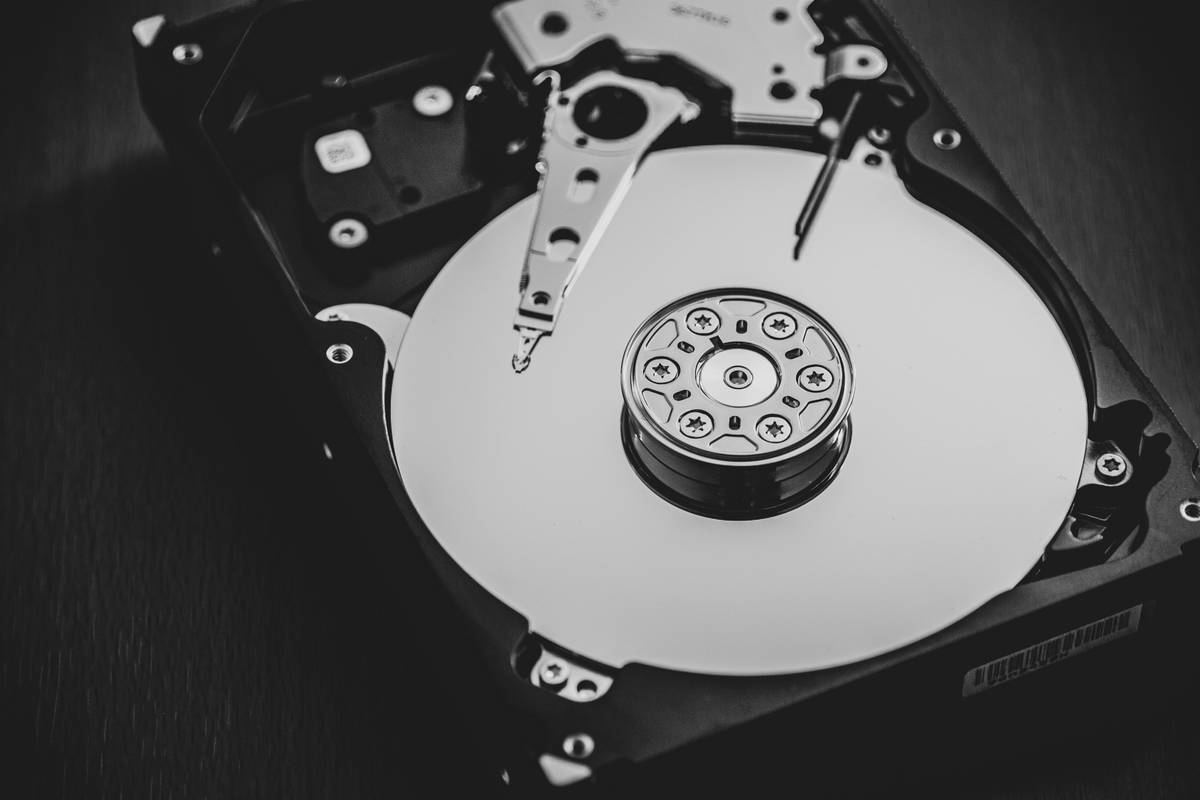
Remember the good ol’ days when archiving meant labeling boxes, hoping DVDs wouldn’t scratch, and trusting hard drives that sounded like jet engines? Yeah… me neither, because we’ve all repressed those traumatic memories.
But here’s the truth: manual archiving isn’t just annoying—it’s dangerous. According to IBM, companies lose an average of $4 million annually due to poor data management practices. Let that sink in for a moment. Four million dollars down the drain while someone tries to find a file buried under layers of folders.
I once spent three hours looking for a client report stored on a USB drive…which wasn’t even plugged into the computer. Talk about a productivity black hole.
Step-by-Step Guide to Implementing Cloud Archive AI

Optimist You: “Let’s get our data organized!”
Grumpy You: “Only if I don’t have to read another boring IT manual.”
Fear not; implementing Cloud archive AI enhancements doesn’t require coding skills or sacrificing your sanity. Follow these simple steps:
Step 1: Assess Your Current Data Storage System
Before jumping ship, assess what’s working and what’s holding you back. Are files scattered across multiple platforms? Is metadata nonexistent? Do employees still email attachments instead of using shared drives?
Step 2: Choose the Right AI-Driven Platform
Not all cloud services are created equal. Look for providers offering:
- Advanced search algorithms powered by machine learning.
- Automated tagging and classification features.
- Rigorous security protocols compliant with GDPR, HIPAA, etc.
Step 3: Migrate Data Safely
Migrating data without losing a single byte feels like magic—but only if done correctly. Use migration tools provided by your chosen platform or hire professionals who specialize in safe transfers.
Step 4: Train Your Team
Spend time training employees on how to use the new system effectively. Remember, no tool is foolproof unless people know how to use it (or they’ll create their own rogue Excel sheets).
Best Practices for Maximizing Cloud Archive AI

Now that you’ve got the basics covered, let’s dive into some pro-level strategies:
- Automate Everything: From backups to indexing, let AI handle repetitive tasks so you can focus on bigger priorities.
- Use Tags Wisely: Proper tagging ensures easy retrieval later. Think of them as digital labels for your virtual filing cabinet.
- Regular Audits: Schedule quarterly reviews to clean up redundant files and ensure compliance.
- Beware Compliance Traps: A terrible tip would be ignoring legal requirements—don’t do that. Stay updated on regulations relevant to your industry.
Real-Life Success Stories: Lessons Learned
Take inspiration from these examples:
Case Study #1: Global Retailer Saves Millions with AI-Powered Archives
A major retailer reduced operational costs by 40% after switching to an AI-enhanced cloud archive system. Their secret sauce? Automating invoice processing and customer records management.
Case Study #2: Healthcare Provider Avoids Catastrophic Data Loss
When ransomware hit a healthcare network, their AI-backed backup system restored critical patient data within hours—not months. Lesson learned: Always test recovery plans regularly.
FAQs About Cloud Archive AI Enhancements
Q: What exactly does AI do for my cloud archive?
A: It automates tedious tasks like organizing, searching, and securing your data. Essentially, AI acts as your personal data assistant.
Q: Can small businesses afford this kind of technology?
A: Absolutely! Many platforms offer flexible pricing plans tailored for SMBs.
Q: Will users need extensive training to adapt?
A: Not necessarily. Most modern tools come with intuitive interfaces designed for non-techies.
Conclusion
Congratulations—you now understand why Cloud archive AI enhancements are a game-changer for efficient, future-proof data archiving. Whether you’re fighting against disorganized legacy systems or preparing for tomorrow’s cyber threats, embracing AI-driven innovations will set you ahead of the curve.
And remember—as much as tech evolves, human oversight remains crucial. So drink your coffee, keep calm, and start archiving smarter today.
P.S. Bonus haiku for making it to the end:
Data sleeps in the cloud,
AI wakes it gently.
Future waits ahead!